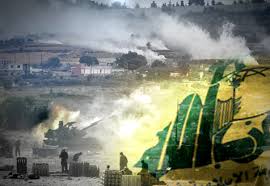
Middle East On Edge As Ceasefire Push Falters
Fresh diplomatic efforts by the United States to prevent a wider war between Israel and Hezbollah have hit a major obstacle.
The setback is raising fears that Lebanon’s already fragile security situation could spiral into a far more devastating regional conflict.
According to U.S. officials, Secretary of State Marco Rubio recently held separate discussions with Lebanese President Joseph Aoun.
He also spoke with Israeli Prime Minister Benjamin Netanyahu as Washington sought to broker a new de-escalation framework.
The proposal reportedly called for the Iran-backed Hezbollah movement to immediately halt rocket, drone and missile attacks.
Those attacks have continued to target Israel, fueling concerns about a broader confrontation across the increasingly volatile region.
In return, Israel would suspend plans to intensify military operations in Beirut and avoid further escalation in Lebanon.
The proposed restraint would particularly apply to the southern suburbs of the Lebanese capital, a Hezbollah stronghold.
American officials believed such a step could create breathing space for broader negotiations and eventually pave the way toward a comprehensive ceasefire.
However, diplomatic sources say the initiative struggled to gain traction after resistance emerged within Lebanon’s political establishment.
Lebanese Parliament Speaker Nabih Berri reportedly insisted that Israel must cease military strikes first before Hezbollah could be expected to stop its attacks, a position Washington viewed as unhelpful to immediate de-escalation efforts.
U.S. officials described the response as disappointing and argued that placing preconditions on negotiations could further complicate an already volatile situation.
The failed diplomatic push comes as Israel significantly expands its military campaign in southern Lebanon.
Israeli forces recently advanced beyond previous operational lines and seized the historic Beaufort Castle, a strategic hilltop fortress overlooking large sections of southern Lebanon.
Israeli leaders described the move as a major shift in the campaign against Hezbollah and vowed to continue operations aimed at weakening the group’s military infrastructure.
At the same time, Hezbollah has continued launching attacks into northern Israel, triggering air raid sirens, school closures and heightened security measures in several communities.
Israeli officials argue that sustained attacks on civilian areas leave the government with little choice but to respond militarily.
Washington has openly backed Israel’s right to defend itself while simultaneously pushing for a diplomatic solution.
U.S. officials have accused Hezbollah of following Tehran’s strategic calculations rather than prioritizing Lebanon’s national interests.
They argue that Iran benefits politically from a prolonged confrontation that keeps pressure on Israel and the wider region.
The humanitarian consequences continue to mount. Reports indicate that more than one million people have been displaced across Lebanon since the conflict intensified earlier this year, while thousands have been killed or injured.
Entire communities in southern Lebanon have been emptied as residents flee repeated bombardments and escalating ground operations.
With ceasefire efforts stalling and both sides hardening their positions, analysts warn that the coming days could prove decisive.
International mediators, including the United States and several European governments, are racing against time to prevent another major escalation that could draw more regional actors into an already explosive Middle East crisis.
 world
world Invoke Article 99 Over Nigeria’s Bloodshed- SERAP Urges UN
 politics
 Rivers’ Votes Belong to Nobody - Not Bargained, Bought, or Bossed
 politics
 Ekiti’s Roar: “Oyebanji Must Go” Becomes Battle Cry"
 politics
 2027: Lone Northern Voice Bets His Pride on Tinubu
 politics
 Obi’s NDC Move Not Final Stop, Warns LP Chief
How do you feel about this news?
Reader Updates & Community Additions
Have a news tip, correction, or extra context about this story? Post it below instantly. All submissions appear live on this screen immediately.